In 2025, CTSD partnered with Hub + Weber Architects, A Picture's Worth and Urbanist Media to conduct a series of community listening sessions, during which residents who live near the existing I-75 highway and Brent Spence Bridge told us how the corridor's looming overhaul will impact their everyday lives, as well as how it could better serve them and their neighbors. Taking that feedback, the Hub + Weber team devised the concept designs below, a vision of what major transportation projects can look like and accomplish when they're community-driven and prioritize connectivity rather than perpetuate our car-dependent status quo.
Members of Hub + Weber's team presented these concepts at two final public input sessions in early 2026 (one in Covington and the other in West End) where dozens of neighbors -- having shared their ongoing concerns and hopes for the future of this urban highway -- saw their vision come to life.
Background
In August 2025, our partner organizations held a series of community listening sessions. The team presented boards for feedback on the current designs (from Kentucky and Ohio's departments of transportation), gathered feedback from residents in Cincinnati and Covington, and recorded oral neighborhood histories. See the slide deck at the bottom of this page for more detailed views of the feedback and data we gathered.
With this feedback, Hub + Weber presented alternative designs to the states' current I-75 interstate expansion plan – a path forward that prioritizes neighbors' needs. Below, you will find what their team presented to neighbors in Covington on January 22 and in the West End on February 5.
A Better Brent Spence Corridor
The proposal
The communities that are highly impacted by the Brent Spence Corridor collectively prioritized better public transit and pedestrian, street, and bicycle safety. The stories from residents also pointed to a collective hardship around having the highway at all, or fonder memories from before it was constructed. Data also points to the majority of traffic being “local”, or within the city limits, rather than thru traffic.
Two-phase solution: Safe alternatives, highway reduction
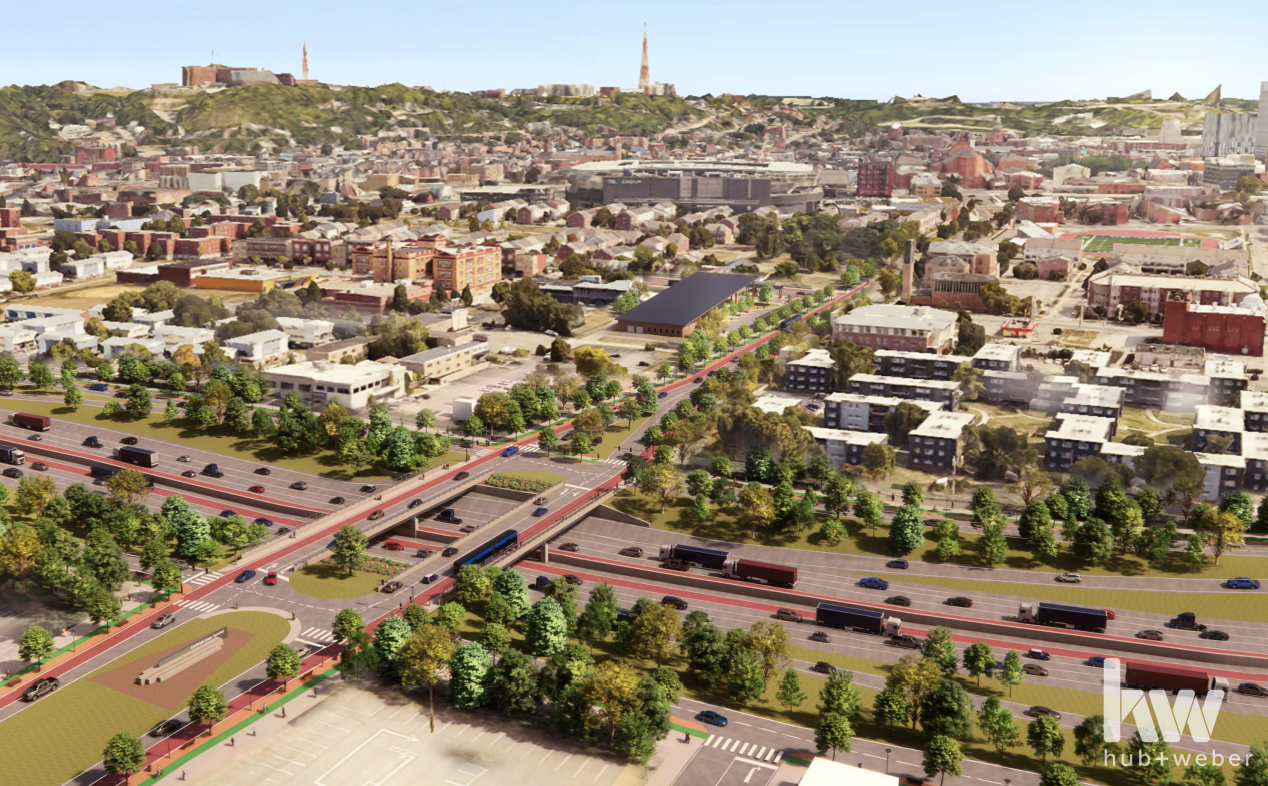
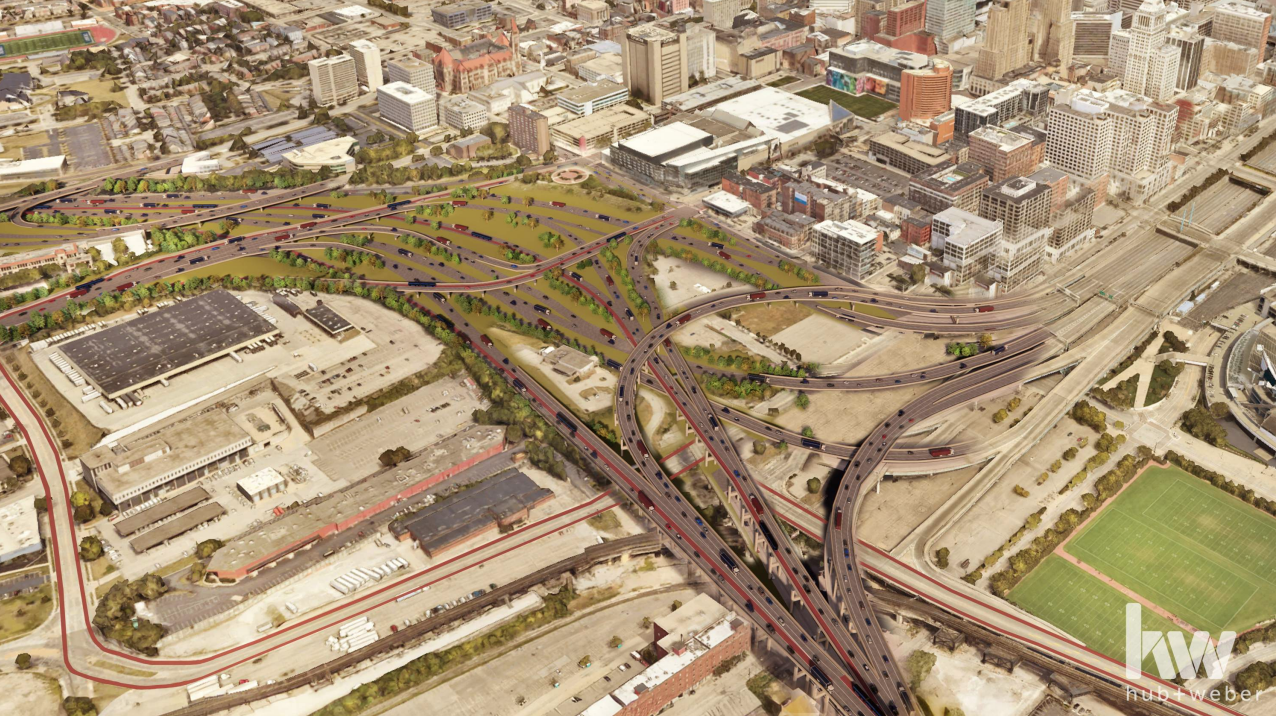
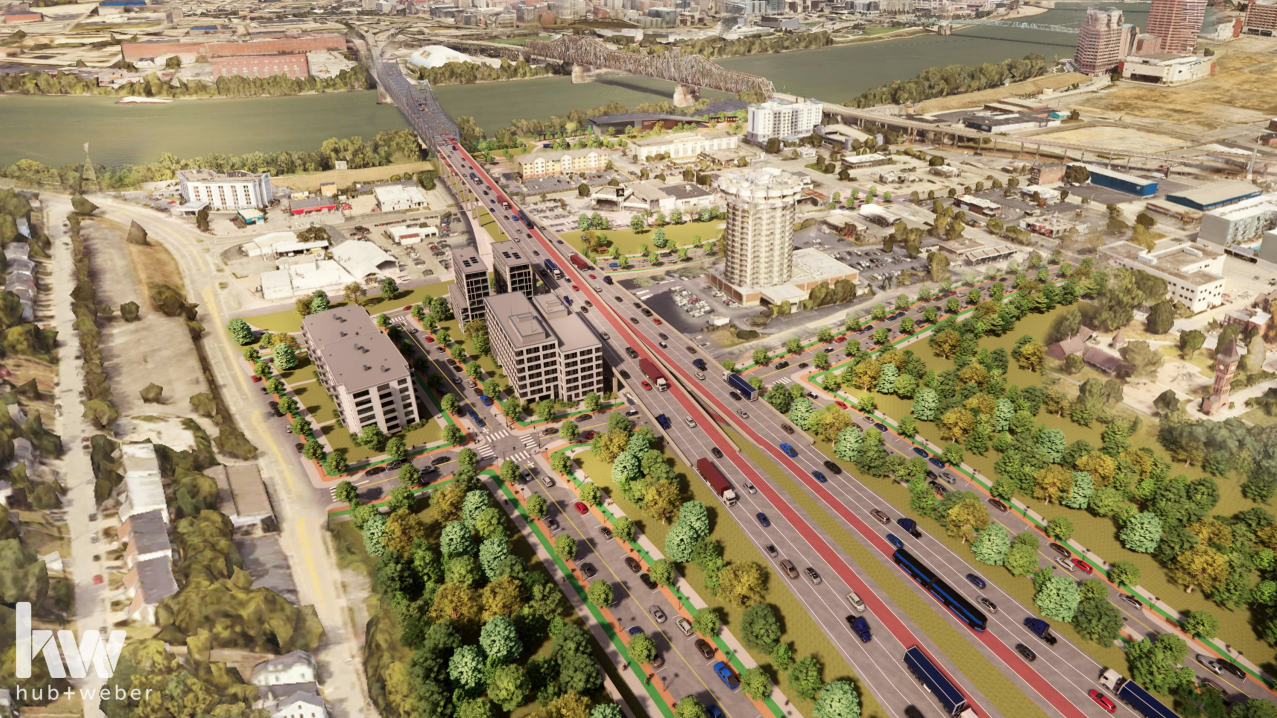
Phase 1 includes focusing on the traffic safety and building access to public transit. Phase 1 success means exponentially fewer local drivers on the road and bridge, providing proof of concept to justify Phase 2. Phase 2 includes a highway removal approach. Thru-traffic is diverted around the I-275 loop, and local traffic, as well as traffic safety, are improved greatly with the construction of transit corridors in place of the highways. The areas between provide opportunity for new development that can serve the community in whatever ways they need.
Phase One:
More public transit modes/routes and better access to them, plus two new transit hubs
Increased traffic safety and bicycle safety
Increased pedestrian safety
More trees, grass and green space
West End - Phase One
Queensgate - Phase One
Covington - Phase One
Transit Hubs
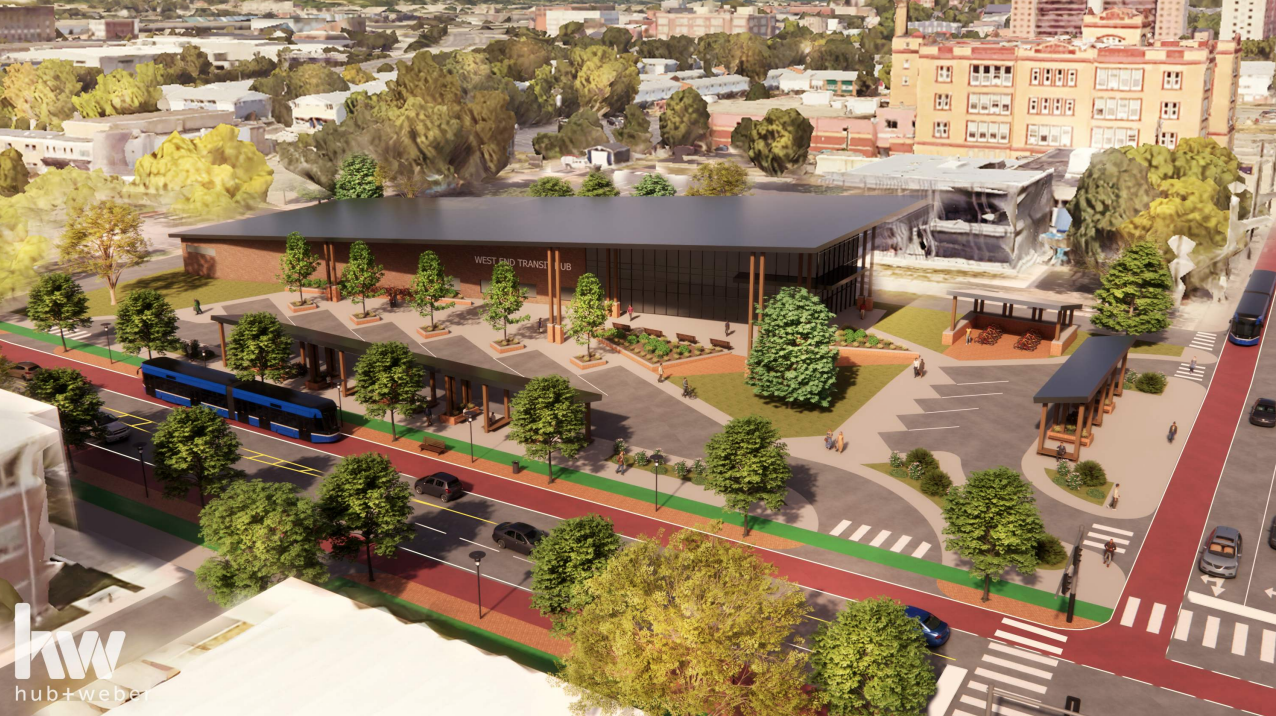
West End Transit Hub
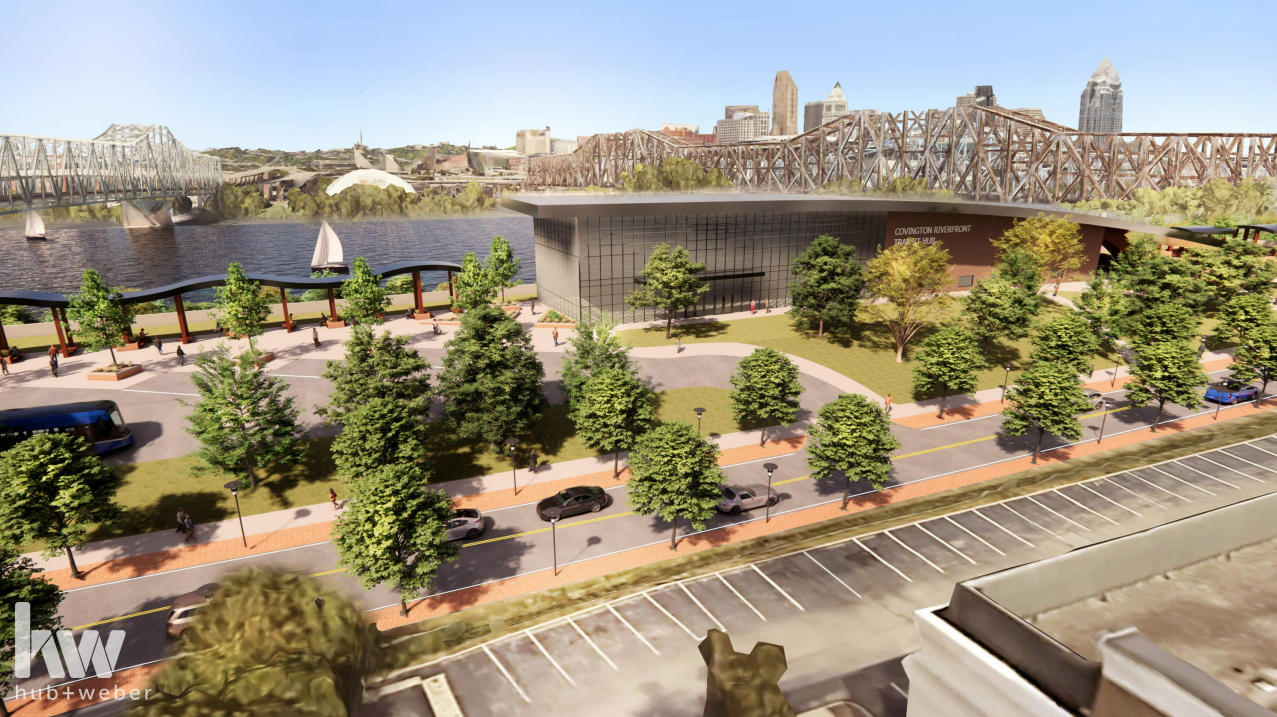
Covington Transit Hub
Phase Two:
Thru-traffic and trucks diverted around I-275 loop or to I-71 via I-471
Highway removal within the city limits, to be replaced with a transit corridor
Better sound and air quality, with less traffic, slower speeds, and more green spaces
More opportunities for development, reconnecting and serving the communities on either side
West End - Phase Two
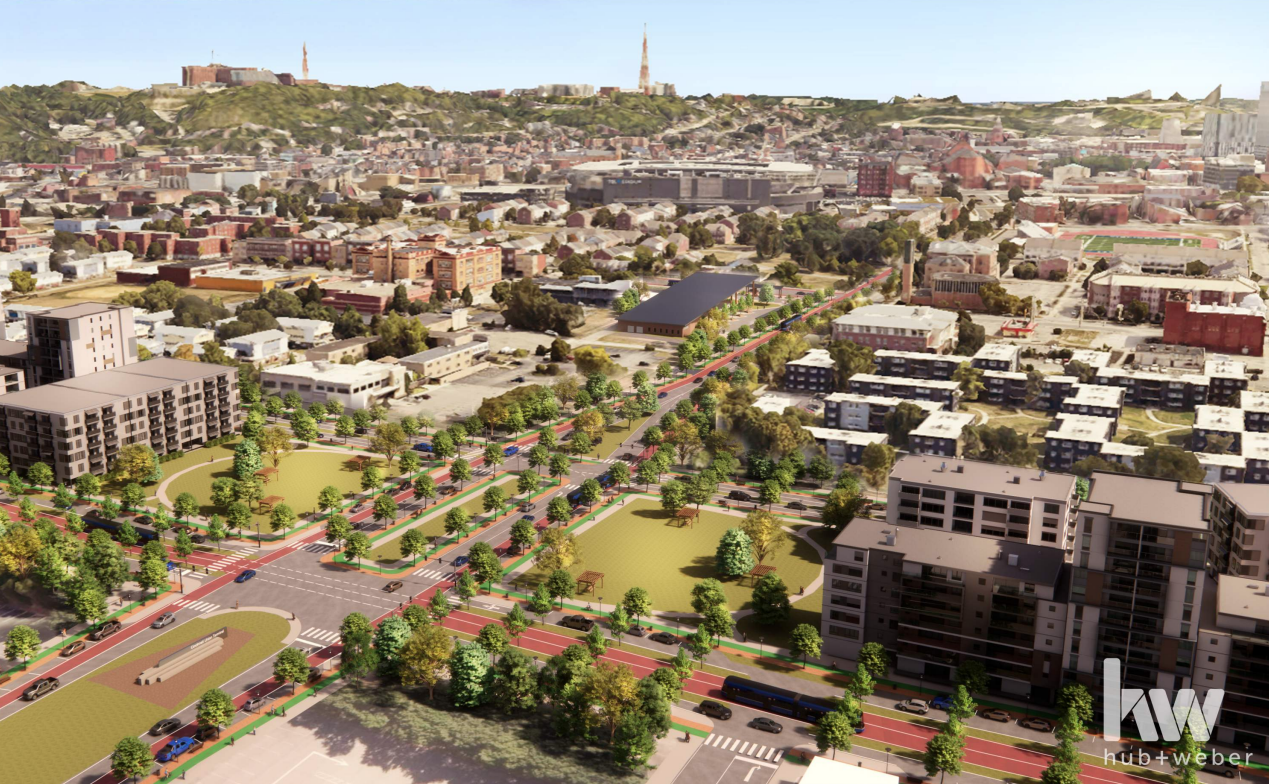
Queensgate - Phase Two
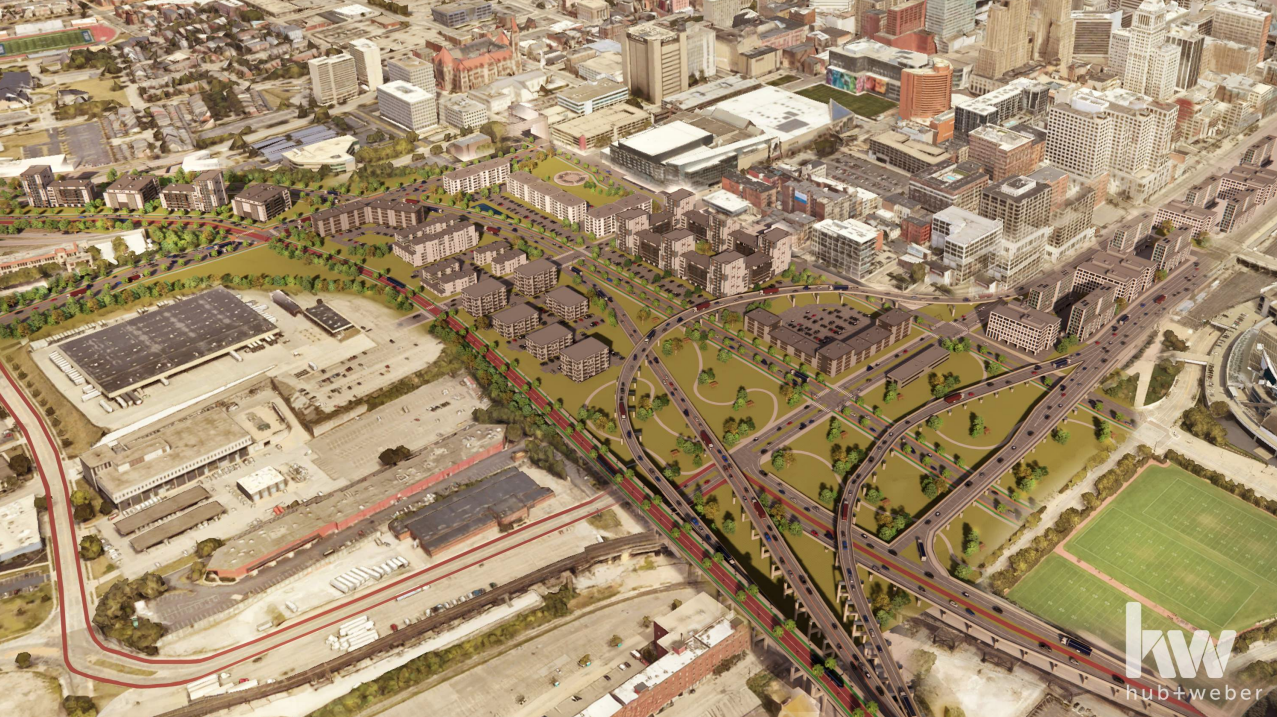
Covington - Phase Two
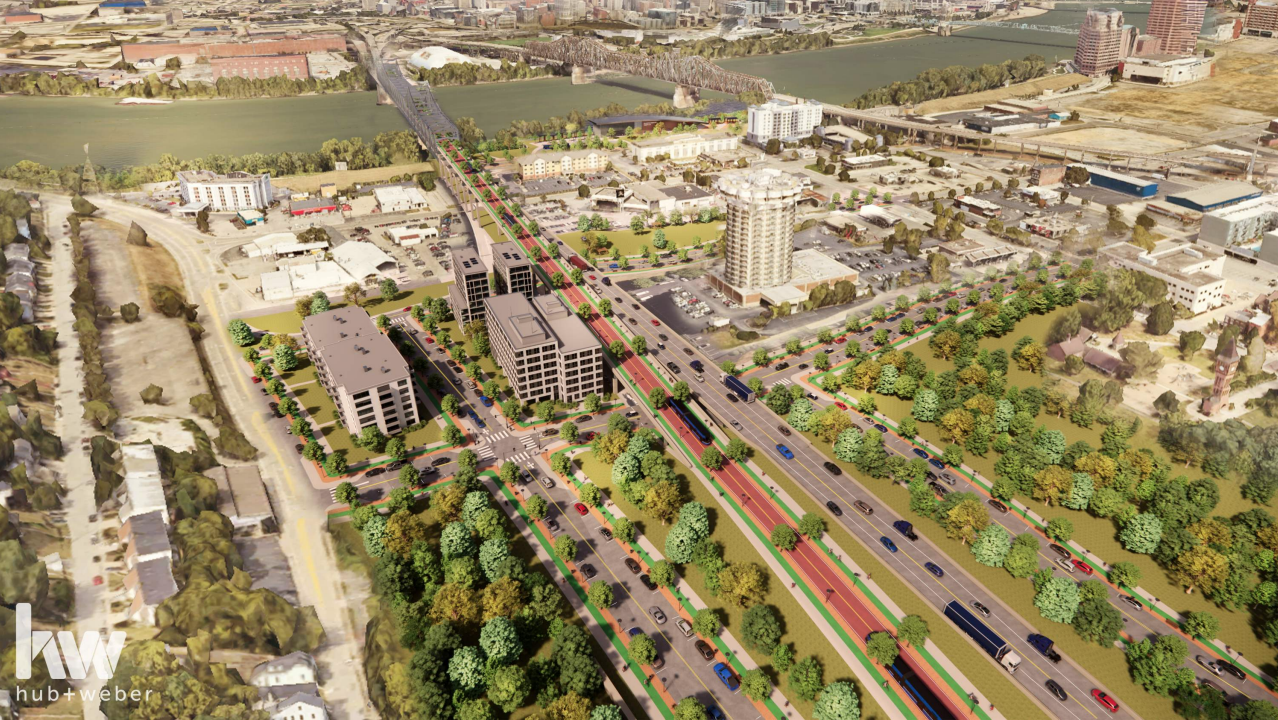
Key Takeaways
Refocuses the project's massive ($4 billion+) budget on the community's actual needs (more fairly balanced with the needs of suburban commuters and through-traffic)
Two separate phases of improvement provide opportunity for proof of concept between development/spending periods
Prioritizes the safety of all residents
Reconnects the communities previously split by the interstate
/7k6xkdnhijsbhn6gg2kb2yp4d3wy)
/ak39mftfbn7lcobghbqa1609976i)